50/30/20 Budget Calculator
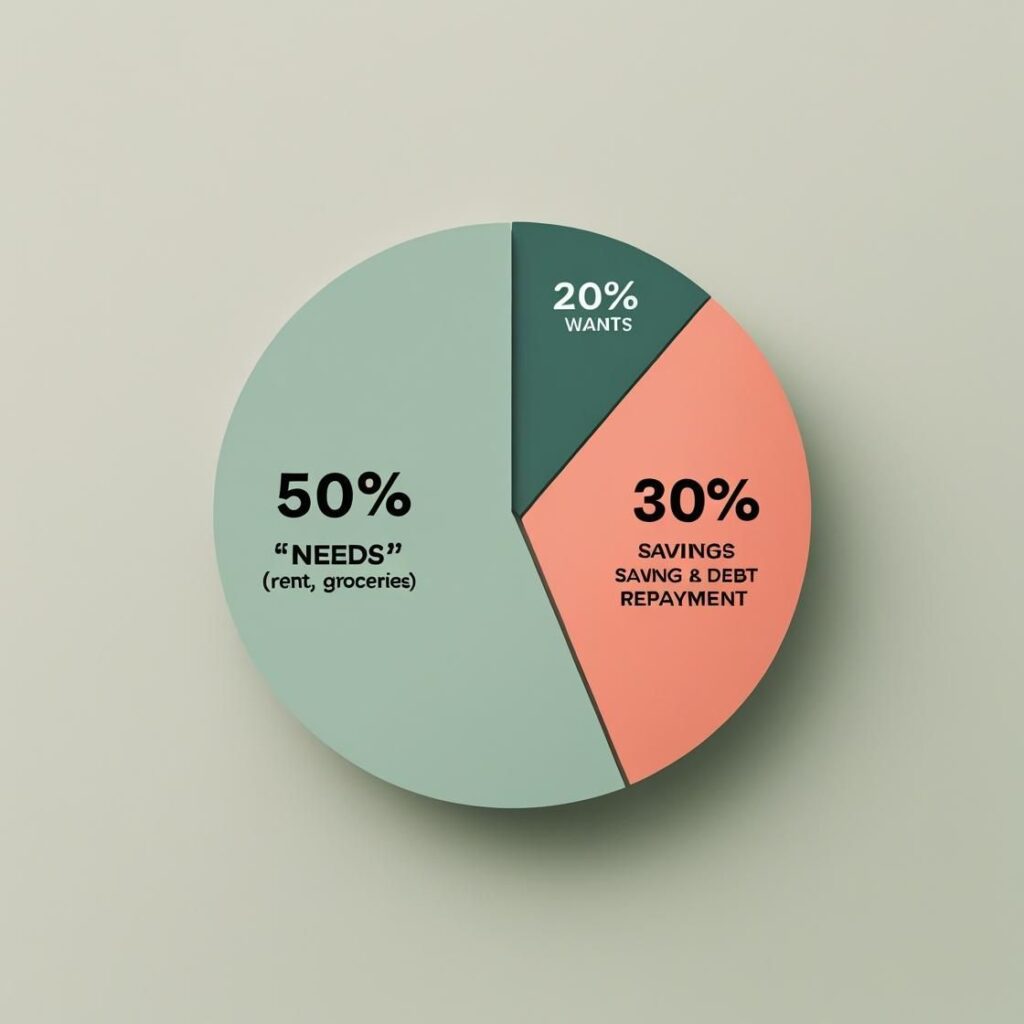
Use our free 50/30/20 Budget Calculator to instantly divide your monthly after-tax income into Needs (50%), Wants (30%), and Savings (20%).
Your Budget Breakdown
Needs (50%)
Housing, groceries, utilities, insurance, transportation and other essential expenses.
Wants (30%)
Dining out, shopping, streaming services, vacations and entertainment.
Savings (20%)
Emergency fund, retirement, investing and extra debt payments.
How to Use the 50/30/20 Budget Calculator
Using the Wallo 50/30/20 Budget Calculator is one of the easiest ways to create a balanced monthly budget. Simply enter your monthly after-tax income into the calculator and click Calculate Budget. The calculator instantly divides your income according to the popular 50/30/20 budgeting rule, helping you understand how much you can comfortably spend on essential expenses, lifestyle choices, and savings.
The results are divided into three categories:
- 50% for Needs – Essential expenses such as rent or mortgage payments, groceries, utilities, transportation, insurance, healthcare, and other necessary living costs.
- 30% for Wants – Non-essential spending such as dining out, entertainment, shopping, streaming subscriptions, vacations, hobbies, and leisure activities.
- 20% for Savings and Debt Repayment – Emergency savings, retirement contributions, investments, paying off credit cards, student loans, personal loans, or other financial goals.
Once your budget has been calculated, you can copy your results, download them as a CSV file, or print them for future reference. This makes it easy to review your budget whenever you need it.
What Is the 50/30/20 Budget Rule?
The 50/30/20 budget rule is one of the most popular personal budgeting methods in the United States. It was designed to simplify budgeting by dividing your monthly after-tax income into three straightforward spending categories. Instead of tracking every individual purchase, this budgeting method focuses on maintaining a healthy balance between your essential expenses, discretionary spending, and long-term financial goals.
Under this budgeting method:
- 50% of your income is reserved for necessities.
- 30% is allocated to lifestyle and entertainment spending.
- 20% is dedicated to saving money, investing, or paying down debt.
The 50/30/20 rule is recommended because it creates a realistic budget that is simple enough for beginners while still encouraging healthy financial habits. Rather than restricting every dollar you spend, it provides clear spending guidelines that can help reduce financial stress and improve money management over time.
Benefits of the 50/30/20 Budget Rule
The 50/30/20 budgeting method offers several advantages for individuals and families looking to improve their financial health.
- Creates a simple monthly budget without complicated calculations.
- Encourages consistent saving habits.
- Helps prevent overspending.
- Supports long-term financial goals.
- Makes debt repayment easier to plan.
- Provides flexibility for entertainment and personal spending.
- Works well for beginners who are new to budgeting.
- Can easily be adjusted as your income changes.
Many financial experts recommend the 50/30/20 budgeting rule because it promotes a healthy balance between living comfortably today while preparing financially for tomorrow.
50/30/20 Budget Example
Suppose your monthly after-tax income is $5,000. Using the 50/30/20 budgeting rule, your monthly budget would look like this:
| Category | Percentage | Amount |
|---|---|---|
| Needs | 50% | $2,500 |
| Wants | 30% | $1,500 |
| Savings & Debt | 20% | $1,000 |
This example demonstrates how quickly you can create a realistic spending plan using the calculator.
Tips for Following the 50/30/20 Budget Rule
- Review your budget every month.
- Build an emergency fund before increasing discretionary spending.
- Pay off high-interest debt as quickly as possible.
- Avoid lifestyle inflation when your income increases.
- Track your monthly expenses regularly.
- Automate your savings whenever possible.
- Adjust your budget as your financial goals change.
- Use budgeting tools regularly to stay on track.
Following these budgeting tips can help you stay financially organized while making steady progress toward your savings goals.
Common Budgeting Mistakes to Avoid
Even with a budgeting plan, many people struggle to manage their money because of a few common mistakes. Recognizing these habits early can help you stay on track and make the most of the 50/30/20 budgeting rule.
- Using your gross income instead of your after-tax income.
- Ignoring small daily expenses that add up over time.
- Not saving for emergencies.
- Making only minimum payments on high-interest debt.
- Forgetting to review and update your budget each month.
- Spending your savings on non-essential purchases.
- Creating unrealistic spending limits that are difficult to maintain.
A successful budget is flexible. Review your spending regularly and adjust your budget whenever your income or expenses change.
Who Should Use a 50/30/20 Budget Calculator?
The 50/30/20 budgeting method is suitable for almost anyone who wants a simple way to manage their money. Whether you're just starting your financial journey or looking for a better budgeting system, this calculator provides a quick and practical guideline.
- Students managing their first income.
- Young professionals building healthy financial habits.
- Families creating a monthly household budget.
- People paying off credit card or personal loan debt.
- Individuals saving for retirement or major life goals.
- Anyone who wants an easy budgeting framework without tracking every expense.
50/30/20 Budget Rule vs. Zero-Based Budget
| 50/30/20 Budget Rule | Zero-Based Budget |
|---|---|
| Simple and beginner-friendly. | Requires assigning every dollar a purpose. |
| Focuses on spending percentages. | Focuses on detailed monthly planning. |
| Quick to create and maintain. | Requires more time and expense tracking. |
| Great for most households. | Best for people who want complete control over every expense. |
Both budgeting methods can be effective. The best choice depends on your financial goals and how closely you want to monitor your spending.
Why Trust Wallo?
At Wallo, our goal is to make personal finance easier to understand. We build free calculators and educational resources designed to help people make informed financial decisions. Our tools use widely accepted financial formulas and are regularly reviewed to improve accuracy, usability, and user experience.
While our calculators provide useful estimates, they are intended for educational purposes and should not replace professional financial advice tailored to your individual circumstances.
Frequently Asked Questions
What is the 50/30/20 budget rule?
The 50/30/20 budget rule divides your monthly after-tax income into three categories: 50% for essential needs, 30% for wants, and 20% for savings or debt repayment.
Should I use gross income or net income?
You should always use your monthly after-tax (net) income when calculating your 50/30/20 budget.
Does the 50/30/20 rule work for everyone?
It works well for many people, but your spending percentages may need to be adjusted depending on your cost of living, income, or financial goals.
What counts as "needs"?
Needs include housing, groceries, utilities, transportation, insurance, healthcare, and other essential living expenses.
What counts as "wants"?
Wants include entertainment, vacations, shopping, subscriptions, dining out, and hobbies.
What should I include in savings?
The savings category can include emergency savings, retirement contributions, investments, and extra debt payments.
Can I use the 50/30/20 rule if I have debt?
Yes. Many people use the 20% savings category to make extra payments toward high-interest debt while continuing to build savings.
How often should I update my budget?
Review your budget at least once a month or whenever your income or expenses change.
Is this calculator free?
Yes. The Wallo 50/30/20 Budget Calculator is completely free to use with no registration required.
Can I print my results?
Yes. After calculating your budget, you can print, copy, or download your results for future reference.
Related Financial Calculators
Looking for more free financial tools? Explore these calculators to help you manage your money, plan your budget, and make smarter financial decisions.
- Credit Card Payoff Calculator
- Debt To Income Calculator
- Compound Interest Calculator
- Debt-to-Income Calculator (Coming Soon)
- Retirement Calculator (Coming Soon)
At Wallo, our goal is to provide free, easy-to-use financial calculators that help you make informed decisions about saving, investing, budgeting, and managing debt.
Disclaimer
This calculator is provided for educational and informational purposes only. The results are estimates based on the information you provide and should not be considered financial, tax, legal, or investment advice. Every individual's financial situation is unique, so consider consulting a qualified financial professional before making significant financial decisions.
Start Planning Your Budget Today
Building a budget doesn't have to be difficult. Use the Wallo 50/30/20 Budget Calculator whenever your income changes to quickly create a balanced monthly spending plan. Whether you're saving for retirement, paying off debt, or simply trying to spend smarter, a consistent budget is one of the most effective steps toward long-term financial success.
Helpful Resources