
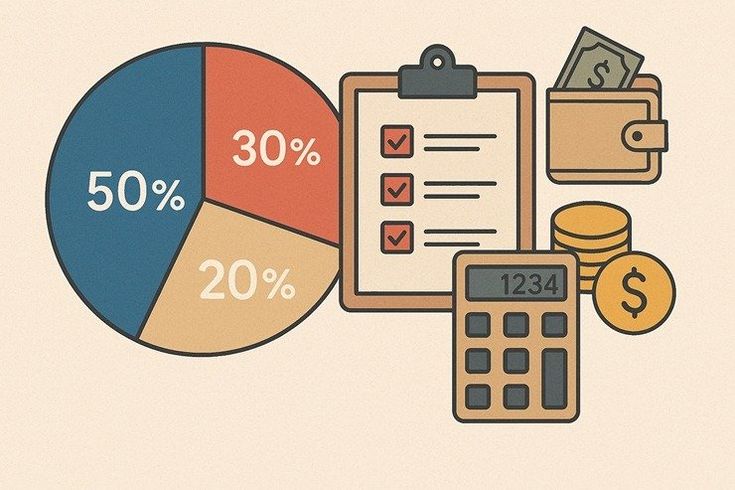
Budgeting doesn’t have to mean tracking every dollar or giving up everything you enjoy. In fact, one of the most popular budgeting methods is built around a simple idea: divide your income into three categories and let those percentages guide your spending.
That’s exactly what the 50/30/20 Budget Rule does.
If you’ve ever reached the end of the month wondering where your paycheck disappeared, you’re not alone. A common situation is getting paid on Friday, covering rent, groceries, and a few everyday expenses, only to realize there’s much less left than expected. Without a plan, money has a way of quietly slipping through the cracks.
The 50/30/20 Budget Rule offers a straightforward way to organize your finances without creating a complicated spreadsheet. Whether you’re budgeting for the first time or looking for a simpler system, this guide will explain how the rule works, when it makes sense, and how to make it fit your own financial situation.
What Is the 50/30/20 Budget Rule?
The 50/30/20 Budget Rule is a budgeting method that divides your after-tax income into three main categories:
| Category | Percentage | Purpose |
|---|---|---|
| Needs | 50% | Essential living expenses |
| Wants | 30% | Lifestyle and entertainment |
| Savings & Debt | 20% | Saving, investing, and paying off debt |
Instead of tracking dozens of spending categories, you only need to focus on these three buckets.
The idea is to create balance. Your necessities are covered, you still have room to enjoy life, and you’re consistently building a stronger financial future.
Understanding the Three Categories
50% for Needs
Needs are expenses you must pay to maintain your basic standard of living.
These typically include:
- Rent or mortgage
- Utilities
- Groceries
- Health insurance
- Car insurance
- Transportation
- Minimum debt payments
- Childcare (if necessary for work)
A good question to ask yourself is:
“If I lost my job tomorrow, would I still have to pay this?”
If the answer is yes, it’s probably a need.
30% for Wants
Wants are the things that make life more enjoyable but aren’t essential for survival.
Examples include:
- Dining out
- Streaming subscriptions
- Vacations
- New clothes beyond necessities
- Gym memberships
- Concert tickets
- Coffee shop visits
- Gaming
Many people assume budgeting means cutting out all fun spending, but that’s not the goal here. Setting aside money for enjoyment can actually make it easier to stick to your budget over time.
20% for Savings and Debt Repayment
The final 20% goes toward improving your financial future.
This can include:
- Emergency fund
- Retirement contributions
- IRA or 401(k)
- Investing
- Extra student loan payments
- Extra credit card payments
- Saving for a home
- Building other financial goals
For example, someone paying only the minimum on a credit card might decide to use part of this 20% to make additional payments. That could reduce interest costs and help eliminate the balance faster.
How the 50/30/20 Budget Rule Works
Let’s imagine your monthly take-home pay is $4,000.
Here’s how your budget would look:
| Category | Percentage | Monthly Amount |
|---|---|---|
| Needs | 50% | $2,000 |
| Wants | 30% | $1,200 |
| Savings & Debt | 20% | $800 |
Within each category, you decide how to divide the money.
For instance, your $2,000 for needs might cover rent, groceries, utilities, and insurance. Your $800 savings category could be split between an emergency fund and extra loan payments.
The percentages provide structure without forcing you into dozens of detailed spending limits.
Why So Many People Like This Budgeting Method
One reason this budgeting style has stayed popular is because it’s easy to remember.
Instead of worrying whether you’ve spent too much on coffee or entertainment, you’re looking at the bigger picture.
Many people find that a simple framework is easier to maintain than a detailed budget with dozens of categories. And since consistency matters more than perfection, a straightforward system often works better in the long run.
Other benefits include:
- Easy to understand
- Flexible for different lifestyles
- Encourages regular saving
- Helps reduce overspending
- Doesn’t require expensive budgeting software
Is the 50/30/20 Budget Rule Right for Everyone?
Not necessarily.
While it’s an excellent starting point, real life doesn’t always fit neatly into percentages.
For example:
Someone living in a city with very high rent may spend more than 50% of their income on necessities.
A recent graduate paying off student loans might dedicate much more than 20% toward debt.
A family with young children may have childcare costs that significantly increase their essential expenses.
The goal isn’t to hit the percentages perfectly every month. It’s to use them as a guide and adjust based on your circumstances.
Common Mistakes People Make
Mixing Up Needs and Wants
One of the biggest mistakes is calling everything a necessity.
A basic cell phone plan might be a need.
The newest premium phone with unlimited extras probably falls into wants.
Being honest with yourself makes the budget much more effective.
Forgetting Irregular Expenses
Many bills don’t arrive monthly.
Think about:
- Car repairs
- Holiday shopping
- Annual insurance premiums
- Home maintenance
- Medical expenses
Setting aside a little each month for these costs can help you avoid financial surprises later.
Ignoring Small Purchases
A few small purchases here and there may not seem important.
But daily takeout lunches, online impulse buys, or frequent delivery fees can quietly consume hundreds of dollars each month.
You don’t have to eliminate them entirely. Simply being aware of these habits often makes a noticeable difference.
Giving Up Too Soon
Your first budget probably won’t be perfect.
That’s normal.
Budgeting is less about getting every number exactly right and more about learning where your money goes so you can make informed decisions over time.
Tips to Make the 50/30/20 Budget Rule Work
- Start with your take-home pay, not your gross salary.
- Review your spending from the last two or three months.
- Adjust categories if your cost of living is unusually high.
- Automate transfers into savings whenever possible.
- Revisit your budget every month as your income or expenses change.
- Celebrate progress instead of aiming for perfection.
When You Might Need a Different Budget
The 50/30/20 Rule is a helpful starting point, but it isn’t the only budgeting method.
You might prefer another approach if:
- You’re aggressively paying off debt.
- Your income changes from month to month.
- You own a seasonal business.
- Your housing costs are unusually high.
- You’re saving for a major purchase in the near future.
The best budget is the one you can realistically follow.
Helpful Tools That Can Make Budgeting Easier
Many people find it helpful to pair the 50/30/20 Rule with a budgeting calculator.
A calculator can quickly show how much of your income should go toward each category, helping you set realistic monthly spending limits without doing the math yourself.
If your numbers don’t match the recommended percentages, don’t panic. Use the results as a starting point and adjust gradually over time.
Frequently Asked Questions
1. Is the 50/30/20 Budget Rule based on gross income?
No. It’s generally based on your after-tax (take-home) income, since that’s the money you actually have available to spend and save.
2. Does the 20% include paying off debt?
Yes. Extra debt payments beyond the required minimum can fit within the 20% category, along with savings and investing.
3. What if my housing costs are more than 50%?
This is common in expensive areas. You may need to temporarily adjust the percentages while looking for ways to reduce other expenses or increase your income.
4. Is this budget good for beginners?
Yes. It’s one of the easiest budgeting methods to learn because it focuses on only three broad categories.
5. Can I save more than 20%?
Absolutely. If your needs and wants take up less of your income, saving more can help you reach financial goals faster.
6. Should I include retirement contributions?
Yes. Retirement savings such as contributions to a 401(k) or IRA generally fit within the savings category.
7. What if my income changes every month?
If you’re self-employed or have irregular income, calculate your average monthly take-home pay over several months and use that as a starting point.
8. Can couples use the 50/30/20 Rule together?
Yes. Many couples combine their after-tax income and apply the percentages to their shared household budget. Others prefer to budget individually, depending on how they manage finances.
9. Is this better than tracking every expense?
It depends on your preferences. Some people enjoy detailed budgeting, while others find that a simple percentage-based system is easier to stick with consistently.
10. How often should I review my budget?
A monthly review works well for most people. It’s also a good idea to revisit your budget after major life changes, such as a new job, moving, or changes in household expenses.
Key Takeaways
- The 50/30/20 Budget Rule divides your after-tax income into needs, wants, and savings.
- It provides a simple framework without requiring detailed expense tracking.
- The percentages are guidelines, not strict rules.
- Review your budget regularly and adjust it as your financial situation changes.
- Consistency is usually more important than following the percentages perfectly.