
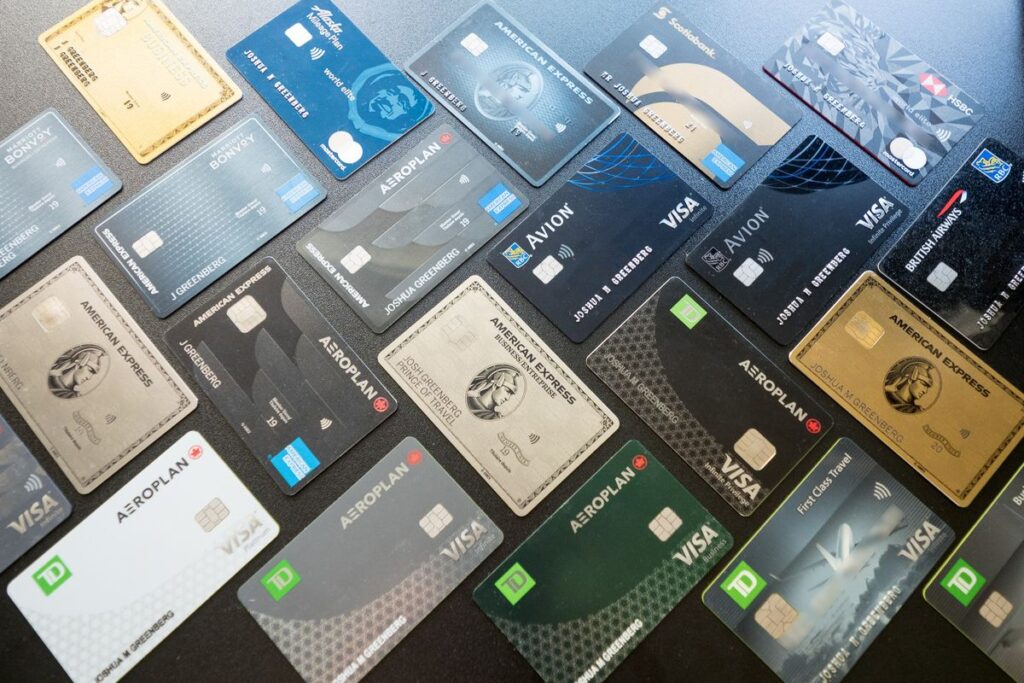
Getting your first credit card can feel a little confusing. Every application seems to ask about your credit history—but what if you don’t have one yet?
The good news is that having no credit history isn’t the same as having bad credit. Many banks and credit card companies offer cards specifically designed for beginners, students, and people who are just starting to build their financial future.
A common situation is someone who has just turned 18, landed their first full-time job, or recently moved to the United States. They want to build credit for future goals like renting an apartment, financing a car, or eventually qualifying for a mortgage, but they’re not sure where to begin.
This guide explains which credit cards are worth considering in 2026–2027, how they work, who they’re best for, and how to use them responsibly to build a strong credit history over time.
Primary Keyword
Best credit cards for beginners with no credit history
Secondary Keywords
- First credit card
- Starter credit card
- Credit cards for beginners
- Student credit cards
- Secured credit card
- Unsecured credit card
- Build credit
- Credit card with no credit history
Long-Tail Keywords
- Best first credit card for adults with no credit
- How to get a credit card with no credit history
- Beginner credit cards with no annual fee
- Best student credit cards in 2026
- Credit cards to build credit fast
LSI Keywords
- Credit score
- Credit utilization
- On-time payments
- Credit limit
- Credit report
- Security deposit
- Cashback rewards
- Responsible credit use
Search Intent
Informational
Target Audience
- First-time credit card applicants
- College students
- Young adults
- Recent graduates
- New U.S. residents
- Anyone with little or no credit history
Pain Points
- Not knowing which card to choose
- Getting denied because of no credit history
- Fear of hurting a future credit score
- Confusion between secured and unsecured cards
- Wanting to build credit safely
Why Building Credit Early Matters
Your credit history influences much more than credit card approvals.
A healthy credit profile may help you qualify for:
- Lower interest rates on loans
- Better apartment rental applications
- Car financing
- Mortgage approval
- Some insurance pricing
- Certain employment background checks where legally permitted
The earlier you begin building positive credit habits, the more your credit history can grow over time.
Can You Get a Credit Card With No Credit History?
Yes.
Many lenders understand that everyone starts somewhere.
Instead of relying only on an existing credit score, they may also consider factors like:
- Your income
- Employment
- Banking relationship
- Student status
- Ability to repay
Some cards even allow applicants with limited or no credit history.
Types of Credit Cards for Beginners
Understanding the difference between card types makes choosing one much easier.
Secured Credit Cards
A secured credit card requires a refundable security deposit.
For example:
You deposit $300.
Your credit limit is usually around $300.
The deposit reduces the lender’s risk while allowing you to build credit through responsible use.
These cards are often easier to qualify for.
They’re a great option if you’ve been denied for traditional credit cards.
Unsecured Credit Cards
These don’t require a security deposit.
Instead, approval is based on your overall financial profile.
Many beginner unsecured cards offer:
- Cashback rewards
- No annual fee
- Credit-building features
- Automatic account reviews for higher limits
Student Credit Cards
Student cards are designed for eligible college students.
They often include:
- Easier approval standards
- Cashback rewards
- Educational credit tools
- No annual fee
Even if you have no credit history, student cards can be an excellent starting point.
Best Credit Cards for Beginners With No Credit History (2026–2027)
1. Discover it® Student Cash Back
Best for: College students
Why it stands out:
- No annual fee
- Cashback rewards
- Automatic Cashback Match during the first year
- Reports payment history to major credit bureaus
Good choice if you’re enrolled in college and want to earn rewards while building credit.
2. Discover it® Secured Credit Card
Best for: Building credit from scratch
Highlights:
- Refundable security deposit
- Cashback on eligible purchases
- Regular reviews for graduation to an unsecured card
- No annual fee
Many financial educators recommend secured cards because they encourage responsible spending without requiring excellent credit.
3. Capital One Platinum Mastercard®
Best for: First unsecured card
Pros:
- No annual fee
- Opportunity for a higher credit limit over time
- Simple account management
- Designed for people building credit
If you qualify, this can be a nice step into traditional unsecured credit.
4. Chase Freedom Rise®
Best for: Beginners with a checking account
Features:
- No annual fee
- Cashback rewards
- Designed specifically for first-time credit users
- Potentially better approval odds with an existing banking relationship
5. Petal® 2 Visa Credit Card
Best for: Applicants with limited credit history
Petal may consider additional financial information beyond traditional credit scores.
Benefits include:
- No annual fee
- Cashback opportunities
- Credit-building tools
- Mobile-friendly experience
How to Choose Your First Credit Card
Not every beginner card is right for every person.
Consider these factors.
| Feature | Why It Matters |
|---|---|
| Annual fee | Beginners usually benefit from $0 annual fee cards. |
| Security deposit | Required only for secured cards. |
| Rewards | Nice bonus, but shouldn’t be your main priority. |
| Credit bureau reporting | Essential for building credit history. |
| APR | Important if you ever carry a balance, though paying in full each month helps avoid interest. |
How to Build Credit the Right Way
Getting approved is only the beginning.
Using your card responsibly is what actually builds your credit history.
Good habits include:
- Paying every bill on time
- Paying the full balance whenever possible
- Keeping balances low
- Avoiding unnecessary applications
- Checking your credit reports regularly
Imagine receiving your paycheck every two weeks. Instead of putting all your spending on your debit card, you use your credit card for groceries and gas, then pay the entire balance before the due date. Over time, those consistent, on-time payments can help establish a positive credit history.
Common Mistakes Beginners Make
Only Paying the Minimum
Minimum payments keep your account current but often lead to interest charges if you carry a balance.
Whenever possible, pay the full statement balance.
Maxing Out the Card
A high balance compared to your credit limit may negatively affect your credit utilization.
Many experts suggest keeping utilization below 30%, and even lower is generally better.
Applying for Too Many Cards
Every application may result in a hard inquiry.
Submitting multiple applications in a short period can make lenders cautious.
Missing a Payment
Payment history is one of the biggest factors affecting your credit.
Even one missed payment can stay on your credit report for years.
Setting up automatic payments can help reduce the risk.
Secured vs. Unsecured Cards
| Secured | Unsecured |
|---|---|
| Requires deposit | No deposit |
| Easier approval | Harder approval |
| Great for building credit | Better rewards potential |
| Lower risk for lenders | May offer higher credit limits |
Neither option is inherently better. The right choice depends on your financial situation and approval chances.
How Long Does It Take to Build Credit?
Building good credit doesn’t happen overnight.
Many people begin seeing a credit history develop after several months of responsible use, but achieving a strong credit profile typically takes longer.
Consistency matters much more than speed.
When Should You Upgrade Your Card?
You may consider upgrading when:
- Your income has increased.
- You’ve made on-time payments consistently.
- You qualify for better rewards.
- You no longer need a secured card.
- Your lender offers an upgrade without requiring a new application.
Frequently Asked Questions
Can I get a credit card with absolutely no credit history?
Yes. Several issuers offer secured cards, student cards, and beginner-friendly unsecured cards specifically for people with no credit history.
Is a secured credit card a good first card?
For many people, yes. Secured cards can be one of the easiest ways to establish a positive payment history.
Will getting my first credit card hurt my credit score?
Applying for a card may cause a small, temporary impact due to a hard inquiry. Using the card responsibly over time can help build your credit.
Should I close my first credit card later?
Often, keeping your oldest account open can benefit your credit history. However, the best decision depends on your overall financial situation and whether the card has annual fees.
How much should I spend each month?
Only spend what you can comfortably pay back in full.
Do debit cards build credit?
No. Most debit card activity is not reported to the major credit bureaus.
How often should I use my first credit card?
Even small purchases each month can help keep the account active, provided you make payments on time.
What if I’m denied?
Review the reason provided by the issuer. You may improve your chances by applying for a secured card or strengthening your financial profile before applying again.
Key Takeaways
- No credit history doesn’t automatically prevent you from getting a credit card.
- Secured and student credit cards are excellent starting points.
- Always pay your statement balance on time when possible.
- Keep your credit utilization low.
- Avoid applying for multiple cards at once.
- Choose a card that reports to the major credit bureaus.
- Building good credit is a long-term process based on consistent habits.