
If you’ve never had a credit card, loan, or any type of borrowing, you might wonder how you’re supposed to build credit when no one has trusted you with credit yet. It can feel like a frustrating cycle.
The good news is that everyone starts somewhere. Whether you’re a college student, a recent graduate, a young adult starting your first job, or a newcomer to the United States, building credit from scratch is completely possible. It just takes a little patience and a few smart financial habits.
A strong credit history can make life easier in many ways. It may help you qualify for better credit cards, lower interest rates on loans, easier apartment approvals, and even lower insurance premiums in some states. While building credit won’t happen overnight, the steps you take today can make a big difference over the next few years.
In this guide, you’ll learn exactly how credit works, how to build it from the ground up, common mistakes to avoid, and realistic expectations for your first credit score.
What Does “Building Credit” Actually Mean?
Building credit means creating a history that shows lenders you can borrow money and pay it back responsibly.
When you use credit products—such as credit cards or loans—and make payments on time, those activities are typically reported to the major U.S. credit bureaus:
- Experian
- Equifax
- TransUnion
These credit bureaus collect information that is used to calculate your credit score.
If you’ve never borrowed money before, you probably don’t have enough information in your credit file to generate a credit score. That’s why your first goal isn’t getting a perfect score—it’s simply creating a positive credit history.
Why Your Credit Score Matters
A good credit score can affect more than just borrowing money.
It may help you:
- Qualify for lower interest rates
- Get approved for apartments
- Obtain better credit card offers
- Finance a car more easily
- Save money over time
- Qualify for certain utility services without large deposits
While employers generally don’t see your credit score, some employers may review a modified credit report during hiring if permitted by law and relevant to the role.
Step 1: Open Your First Credit Account
The first step is simply getting a credit account that reports your payment history.
Some beginner-friendly options include:
Secured Credit Card
For many people, this is the easiest place to start.
A secured credit card requires a refundable security deposit, often between $200 and $500. The deposit reduces the lender’s risk, making approval easier if you have little or no credit history.
The card works much like a regular credit card.
Example:
Imagine you put down a $300 security deposit and receive a $300 credit limit. If you use $60 during the month and pay the full balance before the due date, you’re building positive credit history without paying interest.
Many secured cards can later be upgraded to traditional unsecured cards after demonstrating responsible use.
Student Credit Card
If you’re enrolled in college, you may qualify for a student credit card.
These cards are designed for people with limited credit history and often have lower credit limits to encourage responsible borrowing.
Credit-Builder Loan
A credit-builder loan works differently from a traditional loan.
Instead of receiving the money upfront, the lender places the loan amount into a secured account. You make monthly payments, and once you’ve paid off the loan, the funds are released to you.
Because your payments are reported to the credit bureaus, this can help establish a credit history.
Step 2: Always Pay On Time
If there’s one habit that matters more than almost anything else, it’s paying every bill on time.
Payment history is one of the biggest factors used in many credit scoring models.
A single late payment can remain on your credit report for years and may hurt your score.
A simple way to avoid missed payments is to:
- Enable automatic payments
- Set calendar reminders
- Pay several days before the due date
Many people underestimate how much one missed payment can affect a new credit profile.
Step 3: Keep Your Credit Card Balance Low
Getting approved for a credit card doesn’t mean you should use all of the available limit.
This is where credit utilization comes in.
Credit utilization is the percentage of your available credit that you’re using.
For example:
- Credit limit: $1,000
- Balance: $200
Your utilization is 20%.
Many financial educators suggest keeping utilization below 30%, and even lower can be beneficial for many scoring models.
A common situation is someone receiving their first $500 credit limit and immediately spending nearly all of it. Even if they pay the bill on time, consistently high balances may not be ideal for their credit profile.
Step 4: Become an Authorized User
If you have a trusted family member with a long history of responsible credit use, ask whether they would consider adding you as an authorized user on one of their credit cards.
In many cases, the account’s payment history may also appear on your credit report.
However, this only helps if:
- Payments are consistently made on time
- The card has a low balance
- The issuer reports authorized users to the credit bureaus
This approach should only be used with someone who manages credit responsibly.
Step 5: Check Your Credit Reports Regularly
Mistakes happen.
That’s why it’s a good idea to review your credit reports periodically.
You’re entitled to free copies of your credit reports through the official federally authorized website.
Checking your own credit reports does not lower your credit score.
Look for:
- Incorrect balances
- Accounts you don’t recognize
- Personal information errors
- Missed payments that shouldn’t be there
If you notice inaccuracies, dispute them with the appropriate credit bureau.
Step 6: Be Patient
Building good credit takes time.
Many people hope for an excellent credit score within a few months, but lenders generally value consistent responsible behavior over time.
A common example is someone who opens their first credit card, makes every payment on time for a year, keeps balances low, and avoids unnecessary debt. While everyone’s situation is different, that consistent pattern is often more valuable than trying to find shortcuts.
Good credit is built through habits, not hacks.
Common Mistakes That Slow Down Credit Building
Missing Payments
Even one late payment can affect your credit profile.
Maxing Out Your Card
Using nearly all your available credit every month can increase your credit utilization.
Applying for Too Many Credit Cards
Submitting multiple applications within a short period may result in several hard inquiries and can make lenders cautious.
Apply only when you actually need credit.
Closing Your First Credit Card Too Soon
Your oldest credit account can contribute to the length of your credit history.
If the card has no annual fee and still fits your needs, keeping it open may benefit your overall credit profile.
Ignoring Your Credit Reports
Regularly checking your reports can help you catch errors or signs of identity theft early.
How Long Does It Take to Build Credit?
There isn’t one timeline that applies to everyone.
Many people may receive their first credit score after several months of reported credit activity, though the exact timing depends on the scoring model and available data.
Building a strong credit history, however, often takes years of consistent responsible credit use.
Remember:
Credit is a marathon—not a sprint.
Tips for Building Credit Faster (Safely)
While there’s no guaranteed shortcut, these habits can help you build positive credit over time:
- Always pay on time.
- Pay your full statement balance whenever possible.
- Keep balances low.
- Avoid unnecessary debt.
- Review your credit reports regularly.
- Limit new credit applications.
- Keep older accounts open when appropriate.
Small, consistent habits often have a bigger long-term impact than trying to make dramatic changes all at once.
Frequently Asked Questions
Can I build credit without a credit card?
Yes. Credit-builder loans, certain reported rent payment services, and some other financial products may help establish credit history if they report to the major credit bureaus.
What’s the easiest way to build credit?
For many beginners, a secured credit card combined with on-time payments and low balances is one of the simplest ways to start.
How much should I spend on my first credit card?
There’s no required amount. Many people use their card for small recurring purchases, such as a streaming subscription or gas, and then pay the balance in full each month.
Does checking my own credit score hurt it?
No. Checking your own credit score or credit report is generally considered a soft inquiry and does not affect your score.
Can I build credit if I don’t have a job?
Possibly. Approval depends on factors such as your income, assets, or other financial circumstances, depending on the lender and the type of account.
Is carrying a balance good for my credit?
No. You do not need to carry a balance or pay interest to build credit. Paying your statement balance in full each month can help you avoid interest charges while still building credit history.
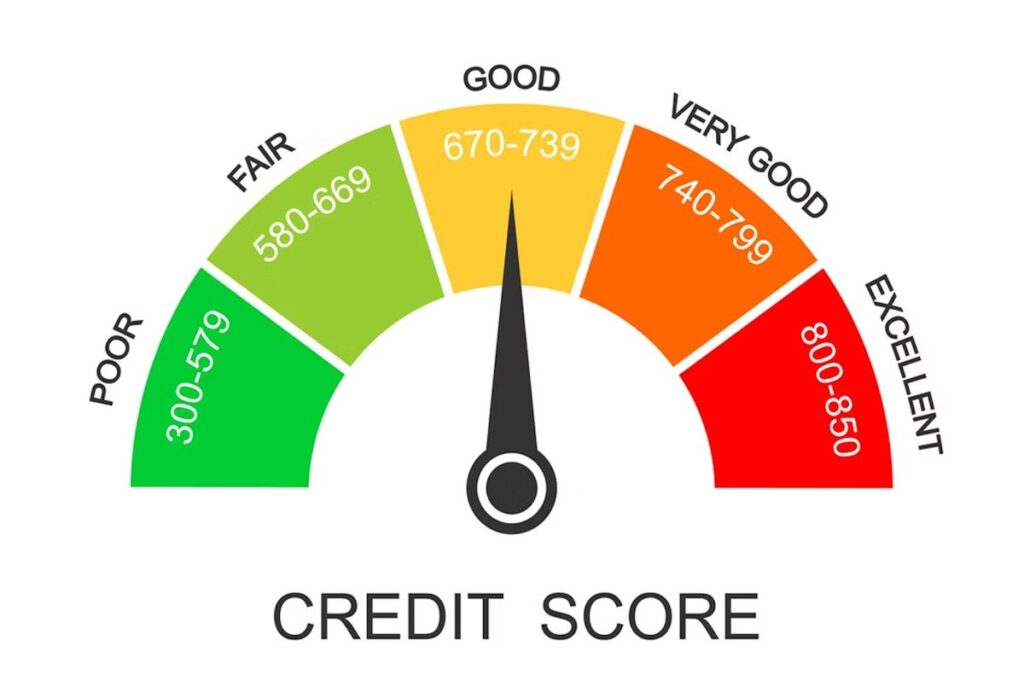
What’s considered a good credit score?
Different scoring models use different ranges, but many lenders generally consider scores in the upper ranges to indicate lower credit risk. The exact definition of “good” varies by lender and scoring model.
How many credit cards should a beginner have?
One well-managed credit card is usually enough to start building credit. As your financial needs change over time, you can decide whether additional accounts make sense.
Can late payments be removed?
Accurate late payments generally remain on your credit report for several years. If you believe a reported late payment is incorrect, you can dispute it with the credit bureau.
Key Takeaways
- Building credit starts with opening your first credit account.
- Pay every bill on time.
- Keep your credit utilization low.
- Avoid applying for too many credit accounts.
- Review your credit reports regularly.
- Good credit is built gradually through consistent financial habits.
- You don’t need to carry a balance to build a strong credit history.